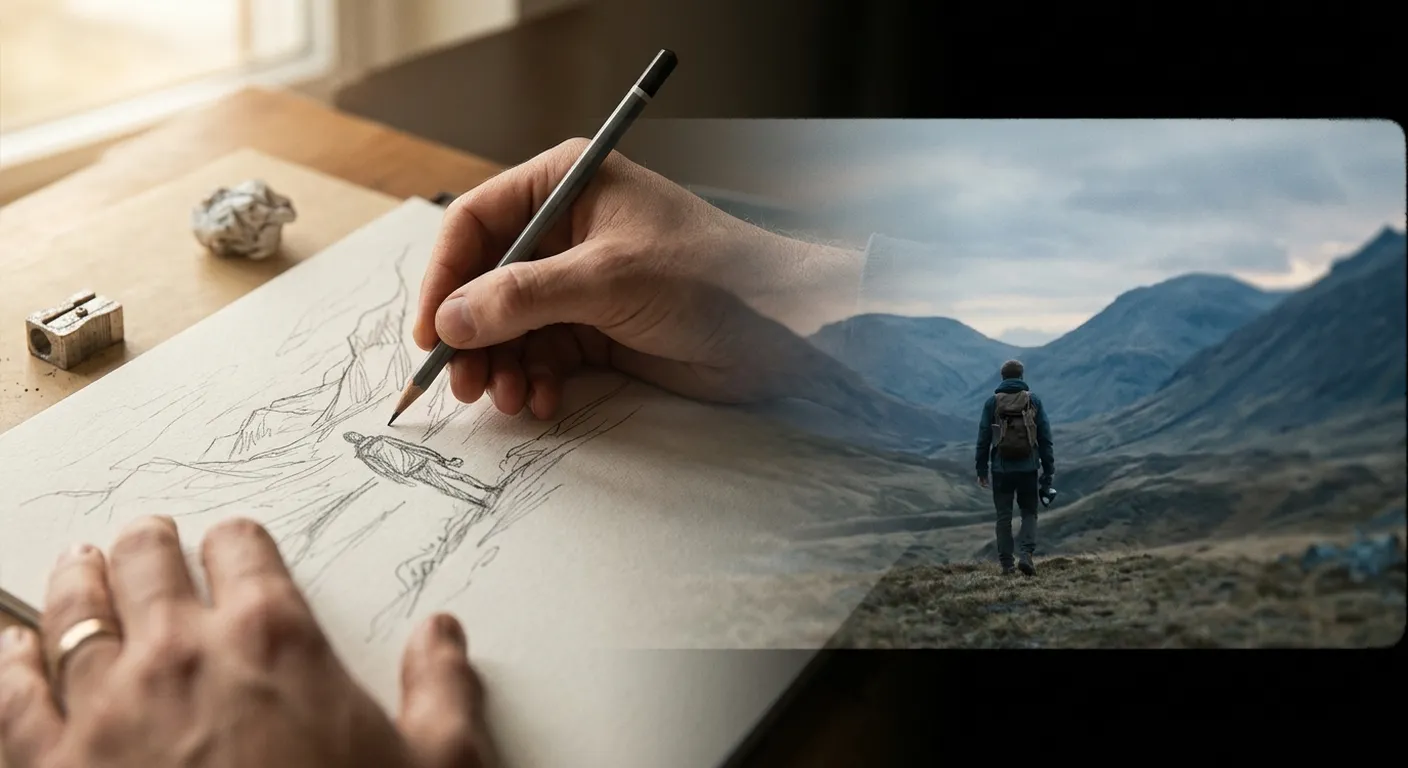
There's a war going on right now, and everybody's picking a side. Pro-AI or anti-AI. You're either the person cheering every new model drop like it's a touchdown, or you're the person swearing off the technology entirely because it's "stealing jobs" and "killing art." And here I am, running an AI visual content company, watching both sides scream past each other, thinking: you're both wrong.
I say that as someone who builds with this stuff every single day. So let me give you the line I keep coming back to, the one that separates the people doing this right from the people making the rest of us look bad:
There's a difference between using AI to create the idea, and creating the idea using AI.
I'm a proponent of the second one. Not the first.
The Doctor Problem
Here's what I mean. If you tell someone, "just go be a doctor, no training required," that's insane. Nobody would trust that person near a scalpel. But somehow, when it comes to AI and creativity, people think skill doesn't matter anymore. They think you just type a sentence and the machine does the rest, no experience, no vision, no craft required.
That's backwards. The skill didn't disappear. It moved.
What AI actually rewards is your ability to narrate. Your ability to take something in your head, something that might not even follow the normal rules of physics or logic, and describe it clearly enough that it becomes real. That's not nothing. That's a skill most people don't have, and it's the same skill that separates a real director from someone who just points a camera at something.

How I Actually Got Into This
I've had music videos playing in my head for years. But I went the corporate route. I never trained in graphic design or VFX, even though I was already shooting video and photos on the side. I didn't have the technical chops to build what I was imagining.
Then in 2023, I found a way to get AI to build it with me. Not for me. With me.
Same thing happened with music. I've written songs. I had a full studio, guitars, keyboards, the works, mixed and mastered back when everything was still analog. Sonar, Fruity Loops, Pro Tools, Cakewalk, that was the whole toolkit back then. When I moved, my studio went into storage. No room for it anymore.
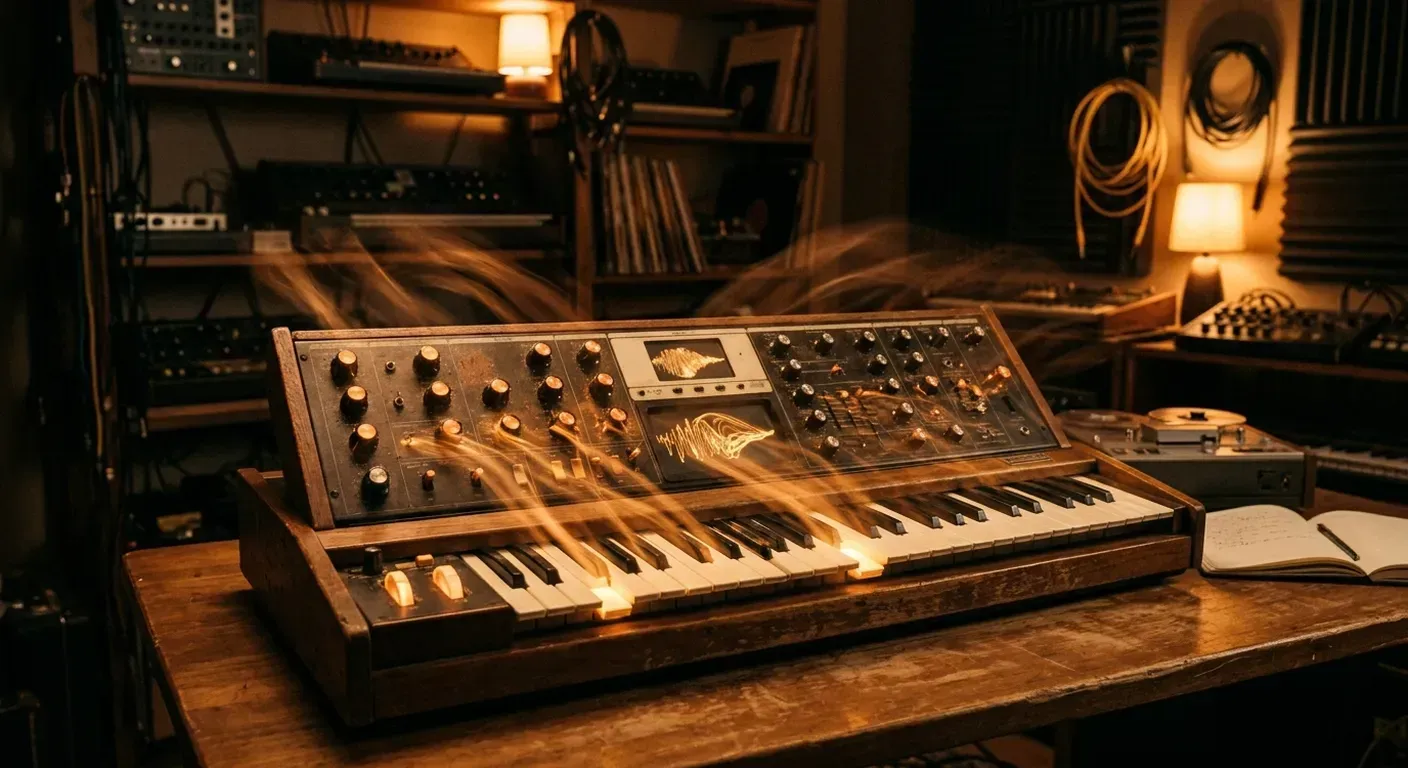
So I found Udio, an AI music generator. And here's the part people miss: I still had to know what I was doing. I had to direct it like a conductor pulling strings, bass, and horns into the right combination. I had to get specific, like, painfully specific. I had to describe what a vintage JV-1080 expansion board synth actually sounds like, because the AI had no idea. It wasn't trained back that far. I had to know chord progressions. I had to know structure.
When I put all of that knowledge into the tool, people heard the result and said, "That's different." And it was. Because it wasn't some throwaway prompt like "make a dance song about cooking in the kitchen." It was direction. It was craft, just translated through a new instrument.
This Is Where It Goes Wrong
Now compare that to someone typing, "write me a dance tune about playing dominoes in the middle of a lake," hitting generate once, and posting it. That's not creativity. That's not even using the tool right. That's abusing it.
And that's exactly the group getting left behind, not because AI replaced them, but because they never brought anything to the table for it to work with. No input. No vision. Just the machine, doing all the thinking, while they collect the views.
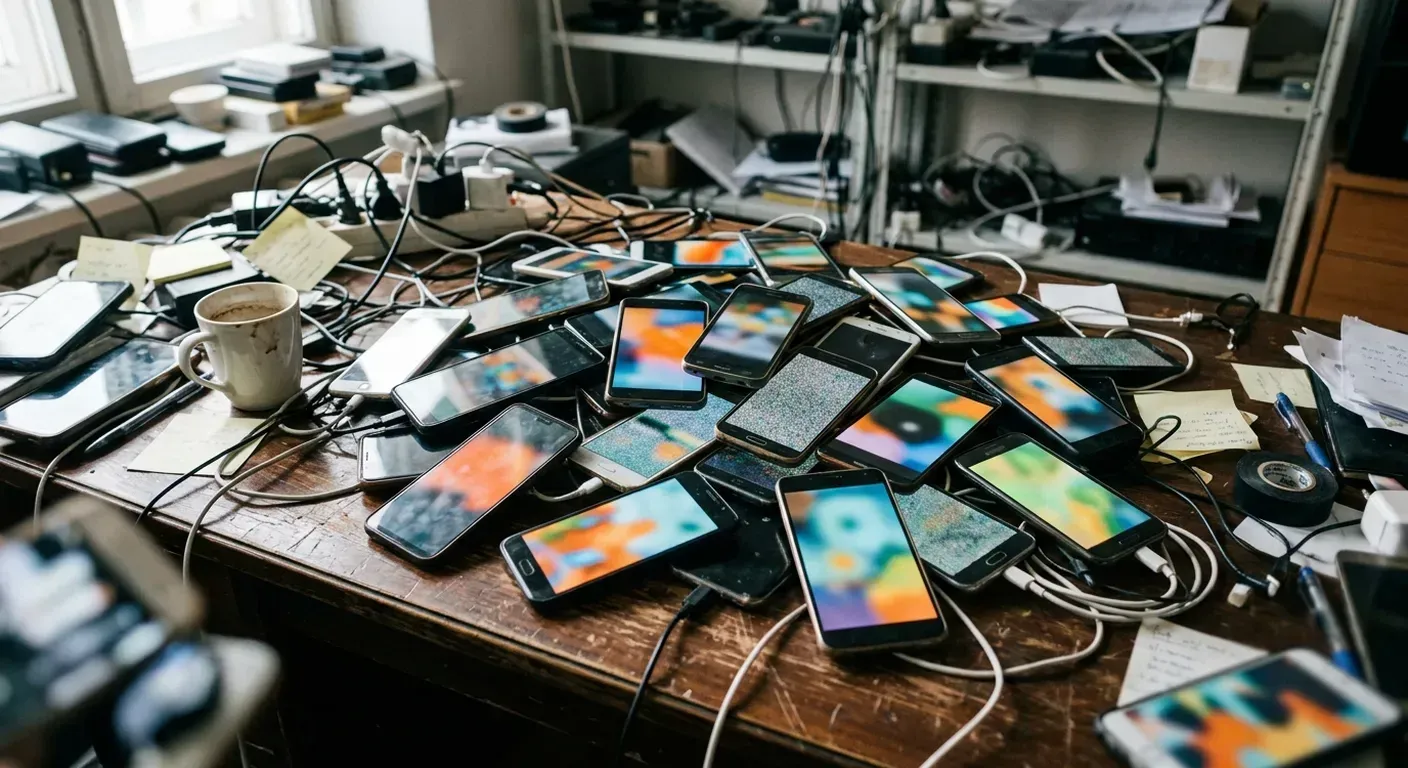
That's where all the AI slop comes from. Short, forgettable clips thrown together because they're trendy, because they're new, because "this'll get me monetized." Not because there's a story. Not because there's a point. Just noise, chasing a platform's algorithm instead of chasing anything worth watching.
Meanwhile, the people actually doing this well, the ones building real narrative-driven work on platforms like Higgsfield, aren't interested in fifteen-second throwaway clips. They're building something with direction, something with a beginning and an end. But nobody's paying attention to them, because slop is louder. Slop gets the clicks. And that's exactly why the public is getting more scared of AI and less accepting of it. They're not looking at the craftsmen. They're looking at the noise, and assuming that's all this technology is.
The Part Nobody Wants to Admit
Here's where it gets bigger than art or music. This whole divide, pro-AI versus anti-AI, people cheering the tool blindly on one side and people rejecting it outright on the other, it's the same broken pattern as our politics. Left and right, both convinced they hold the moral high ground, both reactionary more often than principled, both missing the obvious truth sitting in the middle.
AI isn't good or evil. It's a tool. The problem was never the tool. The problem is who's holding it, and whether they brought a vision worth building, or just showed up empty-handed and let the machine fill in the blanks.
I'm not on either side of this fight. I'm the guy in the middle who actually knows how the thing works, telling you both sides are missing the point.
